Counseling: School Counseling Concentration, M.A.

Loading…

Program Overview

UNC Charlotte’s Master of Arts in School Counseling equips graduate students to be multiculturally competent and socially aware K-12 licensed professional school counselors who lead comprehensive, developmental, and collaborative school counseling programs. The program prepares students to be leaders, advocates, and system change specialists capable of assessing, developing, implementing, and sustaining data-based programs that provide services for all.

UNC Charlotte School Counseling students are trained to serve both as counselors and educators in K-12 schools. Graduates will be competent in individual and group counseling and effective at consultation and collaboration with teachers, parents, community agencies as well as other community resources and important stakeholders.

Program Contact

Dr. Taryne M. Mingo

Concentration Coordinator

tmingo@charlotte.edu

M.A. in School Counseling at a Glance

School Counseling students require three clinical experiences: a 150-hour practicum and two internships at 300 hours a piece. Placements can be in public or private schools at elementary, middle, or high school levels and are supervised by our faculty and an onsite school counselor. Students are encouraged to complete at least two of their clinical experiences at different school levels to obtain a range of school counseling experiences. At the completion of their training, candidates will be eligible to obtain credentialing as a National Certified Counselor (NCC) and apply for K-12 licensure as a professional school counselor in North Carolina. Pathways to clinical licensure as an LCMHC-A in North Carolina are also available.

Delivery
On-Campus
credit hours
60 Credit Hours
admits
Summer (can begin classes in summer or fall)
application deadlines
October 15 (for following summer/fall)

Admissions

Admission Requirements

Individuals from all backgrounds and college majors are encouraged to apply to the UNC Charlotte School Counseling Program. Applications are due October 15.

  • Possession of a bachelor’s degree from a regionally accredited university
  • Minimum undergraduate GPA of 3.0
  • Acceptable GRE or MAT scores
  • A brief statement of purpose, typically 1-3 pages in length
  • Three professional references
  • Official transcripts
  • A completed application and application fee
Application and Admission FAQs
  •  Do I need a master’s degree to be a school counselor?
    • Yes. Becoming licensed as a school counselor in the state of North Carolina requires a minimum of a master’s degree from a School Counseling Program.
  • How long does it take to complete a master’s degree in School Counseling at UNC Charlotte?
    • Depending on how many courses a student takes per year, the degree can be earned in 2 or 3 years.
  • I currently work full-time. Can I begin this degree without quitting my job?
    • Yes. UNC Charlotte’s Department of Counseling offers courses during the day and evening, allowing students to work full-time, if needed.
  • Are there funding opportunities for graduate students in the School Counseling Program?
    • Yes, but the responsibility to pursue these lies with the student, and each role must be applied to individually. Departments across the UNC Charlotte campus offer a number of graduate assistantships to master’s and doctoral students. Historically, UNC Charlotte counseling students have received graduate assistantships from the Career Center, Academic Advising, and Housing.
  • If I already have a master’s degree in counseling, but no specific training in school counseling, is this the right program for me?
    • If you already have a master’s degree in Community or Clinical Mental Health Counseling from a CACREP-accredited institution and are interested in being a school counselor, UNC Charlotte’s Post-Master’s Certificate in School Counseling may be a better fit. It is only 12 credit hours and can be completed fully online.
  • If I earn a master’s degree in School Counseling from UNC Charlotte, will I be qualified to work in states other than North Carolina?
    • Most likely, yes. UNC Charlotte’s CACREP-accredited school counseling program meets the requirements for working as a school counselor in many other states. You will need to examine a state’s specific school counseling course and exam requirements to be certain, though.
  • Do I need teaching experience to apply to the school counseling program?
    • No. Although former teachers are welcome in the school counseling profession, teaching experience is not required for admittance into the UNC Charlotte School Counseling Program or to become licensed as a school counselor in North Carolina.

Program Details

Why UNC Charlotte?
  • Our School Counseling Concentration is based on the American School Counselor Association National Model. Our students will have immediate exposure to coursework and training on how best to serve a diverse student population.
  • Our faculty are leaders in their profession, highly involved with their professional organizations, and continuously engaged in research so they can bring current trends, issues and practices into the classroom.
  • Students can choose from a wide variety of electives to expand their counseling experiences. Electives include, but are not limited to, such topics as Consultation in School Counseling, Play Therapy, Grief and Loss, Diagnosis & Treatment in Counseling, Crisis Counseling, and Counseling Adolescents.
  • The School Counseling Concentration is accredited by The Council for Accreditation of Counseling and Related Educational Programs (CACREP). CACREP accreditation provides recognition that the content and quality of the program has been evaluated and meets the standards set by the profession.
  • In addition, our program aligns with the American School Counselor Association (ASCA) standards in school counselor preparation, and meets the North Carolina state requirements leading to k-12 school counseling licensure.
  • A full array of daytime and evening classes offers students scheduling flexibility. The program is also offered on a full and part-time basis.
  • The international honor society for professional excellence in counseling, Chi Sigma Iota, recognizes our Master of Arts in Counseling as an outstanding counselor education program.
Program Approach and Outcome FAQs
  • Do counseling students all take classes together?
    • Yes. Students in UNC Charlotte’s Department of Counseling benefit from taking core courses with peers in all three concentrations. School counseling students also take three courses with only school counseling students.
  • Are practicum and internship site placements automatically assigned?
    • No. If students have a preferred internship or practicum site in mind, they are able to choose a site if it has been approved. If students have a preferred school district in mind, they are encouraged to work with district placement coordinators to find an ideal site. If students need assistance in finding a practicum or internship site placement, faculty members are able to assist.
  • If I successfully earn a master’s degree in School Counseling from UNC Charlotte, do I need to take a licensure exam to work as a school counselor?
    • Yes. Students are required to pass the North Carolina Praxis II Test 5421 in School Guidance and Counseling before UNC Charlotte can recommend them for school counseling licensure in North Carolina.
  • Do faculty members in UNC Charlotte’s Department of Counseling have experience working as school counselors?
    • Yes, many of the department’s full-time faculty members have worked as professional school counselors. Several faculty members regularly conduct research in school counseling and are involved in the American School Counselor Association (ASCA), The Reach Higher Initiative, and the Association for Counselor Education and Supervision School Counseling Interest Network.
  • Is a “school counselor” the same thing as a “guidance counselor”?
    • As the school counseling profession underwent changes in the 1990s and 2000s, researchers and practitioners embraced the term “school counselor” over “guidance counselor” to symbolize the enhanced role of working with all students on academic, social/emotional, and career development. “Guidance counselor” has come to represent an older model of school counseling with less emphasis on working with all students. Thus, this program will prepare you to become a professional school counselor.
Course Progression

Core Courses

CSLG  6104Counseling Across the Lifespan (FA, SP, SU)
RSCH 6101Educational Research Methods (FA, SP,SU)
RSCH 6109Assessment and Evaluation Methods (FA, SP, SU)
CSLG 6100           Theories of Counseling  (FA,SU)
CSLG 6101           Ethical and Professional Issues in Counseling (FA, SU)
CSLG 6110           Counseling Techniques (FA, SP)
CSLG 6111           Advanced Counseling Techniques (FA, SP, SU)
CSLG 6120           Group Counseling (FA, SP)
CSLG 6145           Multicultural & Social Justice Counseling (FA, SP, SU)
CSLG 6150           Career Development and Counseling (SP, SU)
CSLG 7430           Practicum in Counseling (FA, SP) (150 hours)
CSLG 7435           Internship I (FA, SP, SU) (300 hours)
CSLG 7435           Internship II (FA, SP, SU) (300 hours)

Concentration Courses – plus 4 electives

CSLG 7141            The Professional School Counselor (FA, SU)
CSLG 7646            Advocacy & Leadership in Professional School Counseling (FA, SP)
CSLG 7140            Consultation in School Counseling (SU)
Student Opportunities
  • Faculty members in UNC Charlotte’s Department of Counseling have worked to establish mutually beneficial partnerships with multiple schools and school districts in Charlotte and surrounding counties. These close ties to the school counseling community provide experiential activities that supplement theoretical training. Every year, practicing school counselors come to campus to lead discussion panels with our students.
  • Students are encouraged to join faculty research teams, to apply for grants, and to submit articles for publication. These collaborations often lead to opportunities to present at state and national conferences and to become published in the field.
  • Students are required to submit a poster presentation proposal to the NC School Counseling Association Conference, with many receiving accolades in the past.
Outlook

UNC Charlotte School Counseling alumni most often take on counseling positions in public or private elementary, middle, and secondary schools. As a result of the quality and reputation of our program, a number of students have received job offers while completing their final internship.

Graduates may also pursue careers in a number of other areas, including:

  • School counseling department chair
  • District school specialist
  • Academic advisor in community colleges and universities
  • Admissions counselor for community colleges or universities
  • Independent college counselor
  • Counselor for a non-profit organization focused on outreach and volunteer services
  • Veterans’ Affairs counselor
  • Career center counselor

Don’t Miss Our Once-a-Year Application Window — Apply by October 15

Applications are only accepted once per year for the Counseling M.A. program. If you’re ready to build a career supporting others, be sure to submit yours by October 15.

Hear From Our Students and Alumni

Their experiences say it best. Discover how the M.A. in Counseling program has shaped their careers, perspectives and purpose.
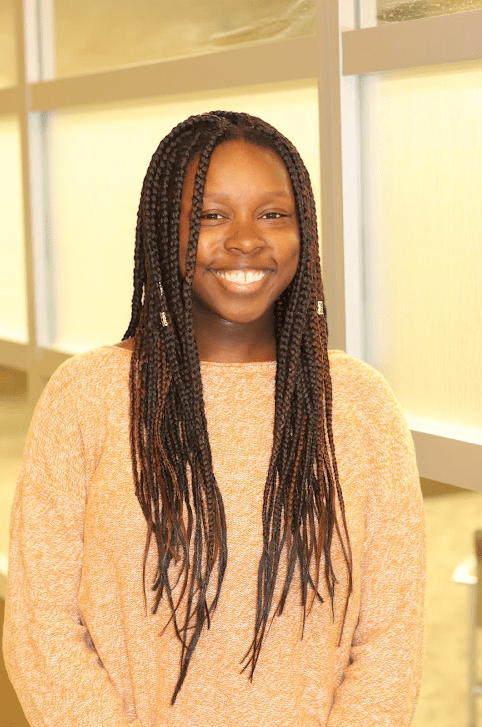
Heather Darden – M.A. Counseling ’25 – Teaching Assistant, UNC Charlotte

“Building relationships with students during my first graduate internship showed me just how impactful this work can be—every day matters.”

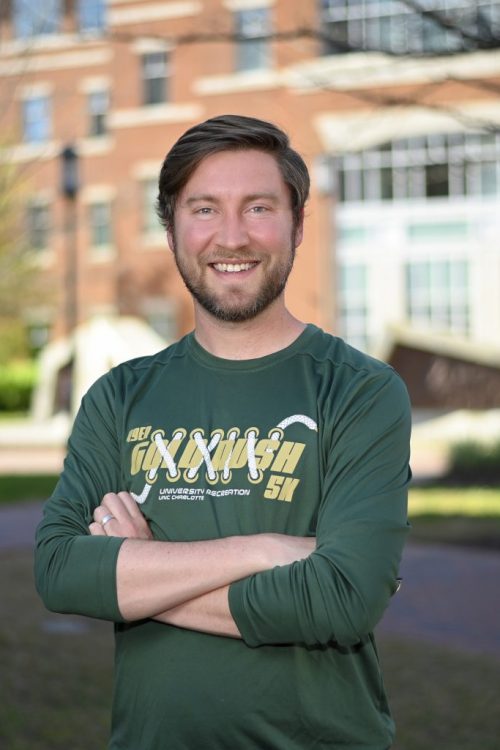
Seth Gillis – M.A. Counseling ’25 – School Counselor, Charlotte-Mecklenburg Schools

“Balancing grad school with full-time teaching works here. The flexible schedule and supportive community made returning feel exciting and possible.”

Three Choices for Your Primary Focus

All students in the Counseling M.A. program select one primary concentration. Each track blends theory with practical experience and prepares you for a focused career in counseling. Whether you’re drawn to school settings, clinical practice, or substance abuse treatment, you’ll gain the skills to make a meaningful impact—and the flexibility to grow with your career.

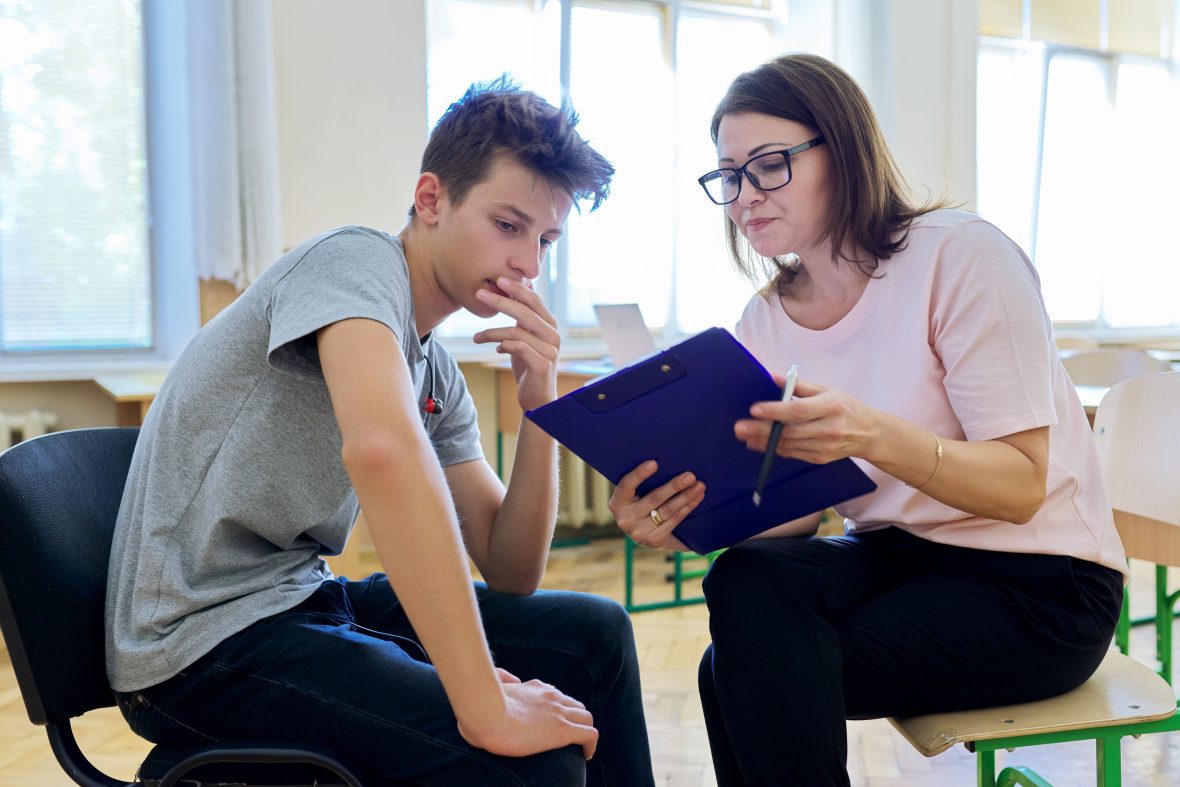
Clinical Mental Health Counseling
Support people through life’s challenges in settings like community agencies, nonprofits, or private practice. This concentration prepares you for roles including licensed clinical counselor, therapist, or consultant.
School Counseling
Help students thrive—academically, socially, and emotionally. This concentration prepares you for roles such as licensed school counselor, advocate, or student support specialist across a range of educational settings.
Addiction Counseling
Prepare for roles like substance abuse counselor, case manager, intervention specialist, or prevention educator, helping people overcome substance use and behavioral addictions in individual and group settings.

Customize Your Path With a Secondary Concentration

Looking to specialize even further? While not required, secondary concentrations give you the opportunity to deepen your expertise in a focused area of counseling. These optional tracks can help you tailor your education to match your passions—and set you apart in your career.


Play Therapy
Develop the skills to support children through evidence-based, developmentally appropriate techniques. This concentration prepares you for roles such as child therapist, school-based counselor, or pediatric mental health specialist.
Gerontology
Understand the mental health needs of aging adults and the systems that support them. This concentration prepares you for roles in geriatric counseling, care management, or advocacy in hospitals, long-term care, hospice, and private practice.

CACREP Accredited and Career-Ready

Our Counseling M.A. program is accredited by the Council for Accreditation of Counseling and Related Educational Programs (CACREP)—a mark of quality and credibility in counselor education. This accreditation ensures you’ll graduate from a program that meets nationally recognized standards and prepares you to become a skilled, ethical, and culturally responsive professional.

Holistic Program Philosophy

Charlotte graduates serve as leaders in the school counseling profession, are multiculturally competent, advocate for all students, work for schoolwide systemic change, and are committed to continual professional growth. You'll learn to organize and coordinate school counseling programs appropriate to the needs of all students and in support of the school’s academic mission. Once a licensed school counselor, you will be competent in individual and group counseling, and will confidently consult and collaborate with teachers, parents, community agencies and resources.
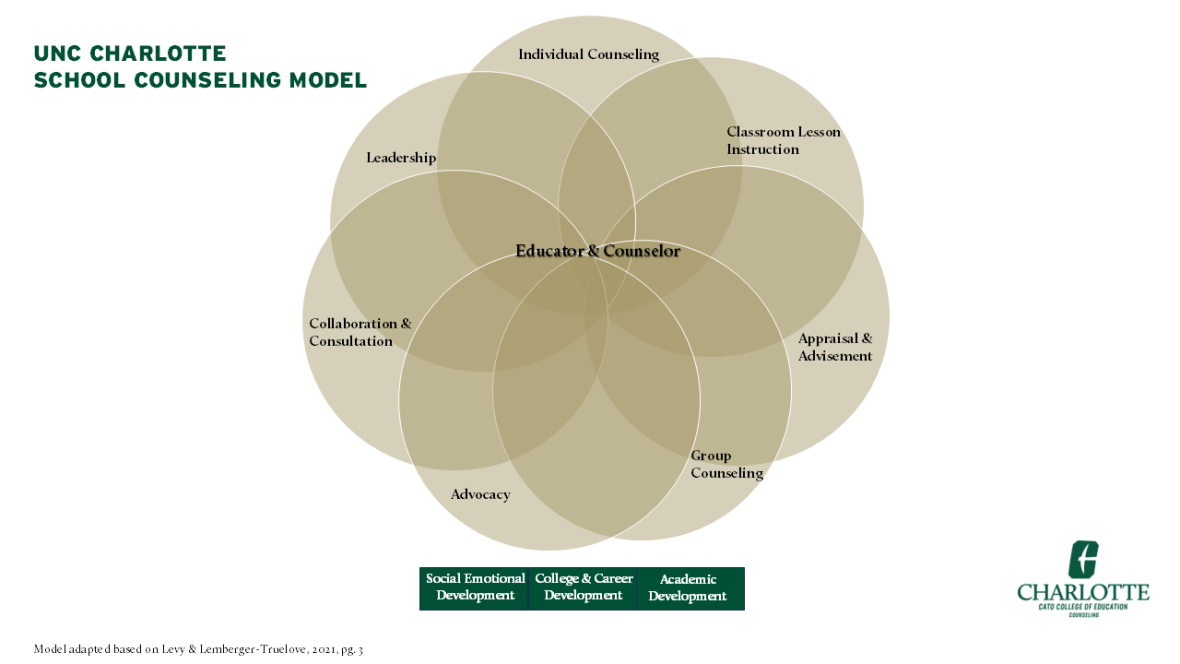
Venn Diagram depicting the many aspects of a school counselor, according to UNC Charlotte's approach

Learn From Leaders in the Field

Our award-winning faculty bring deep experience, active research, and a passion for teaching into every classroom. More than educators, they’re mentors—committed to helping you grow, succeed, and make a lasting impact through your work in counseling.
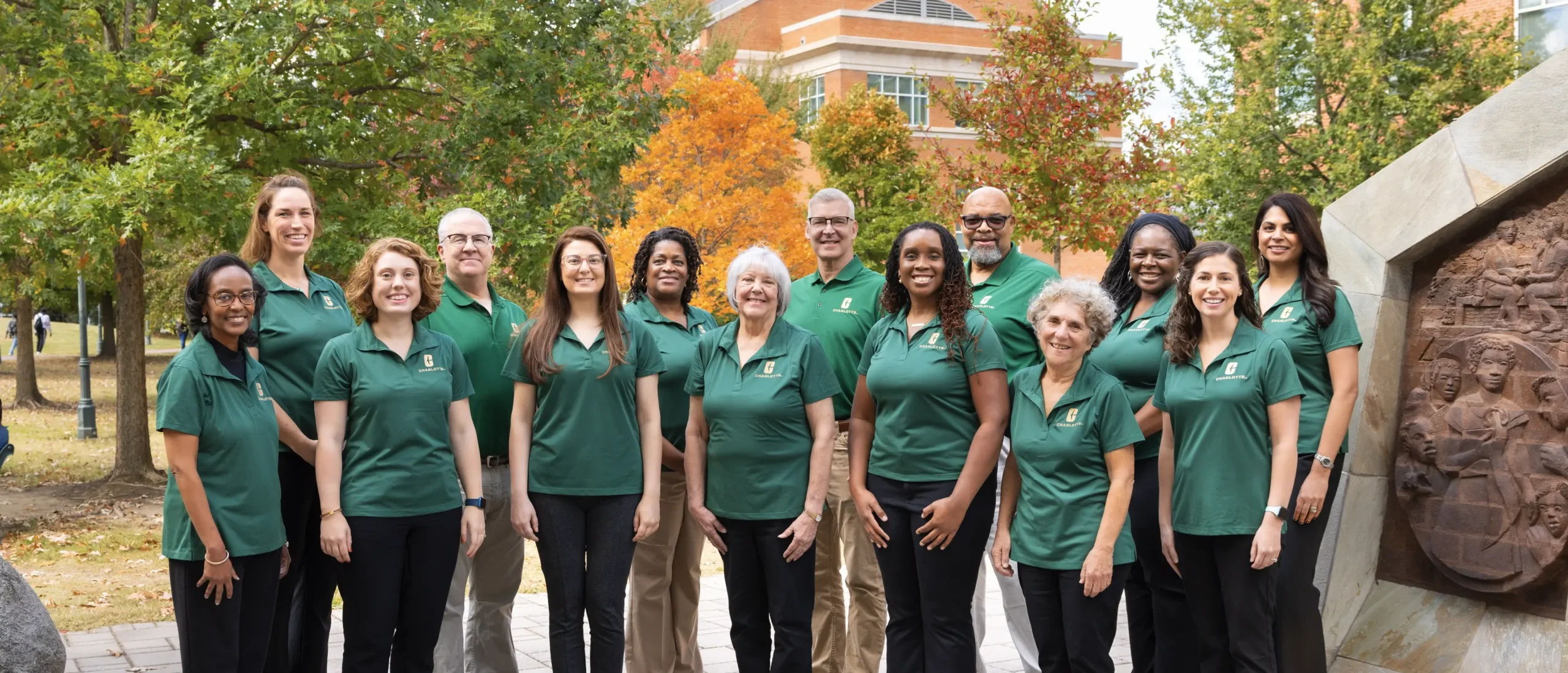
Group picture of people in green shirts outside

What's New in Counseling

Explore recent stories, achievements and news from across the program—on campus, in the community and beyond.
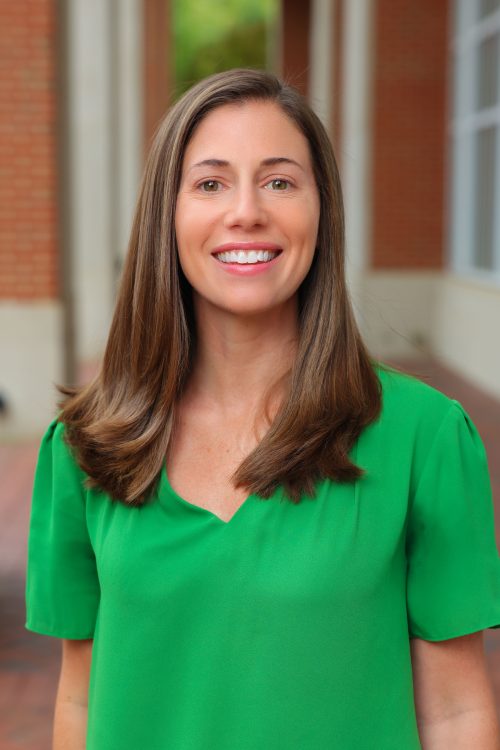
Professor Clare Merlin-Knoblich Named Counselor Educator of the Year by NC School Counselor Association

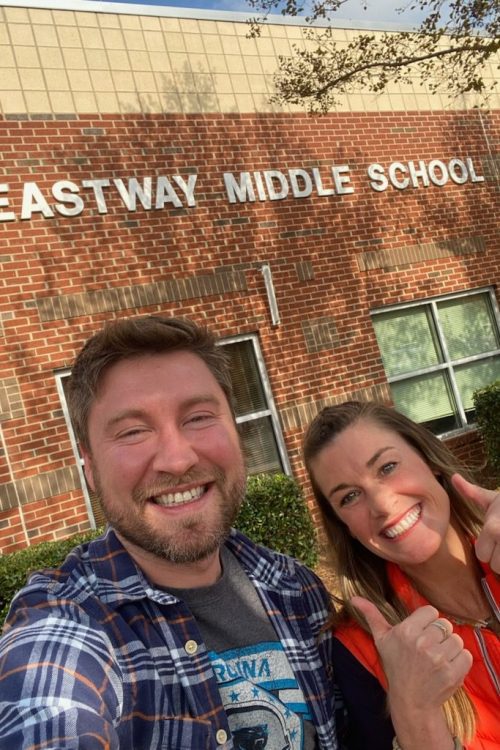
‘I Wanted to Do More’: Seth Gillis ’25 M.A. shifts from teacher to counselor to fill need in his Charlotte community

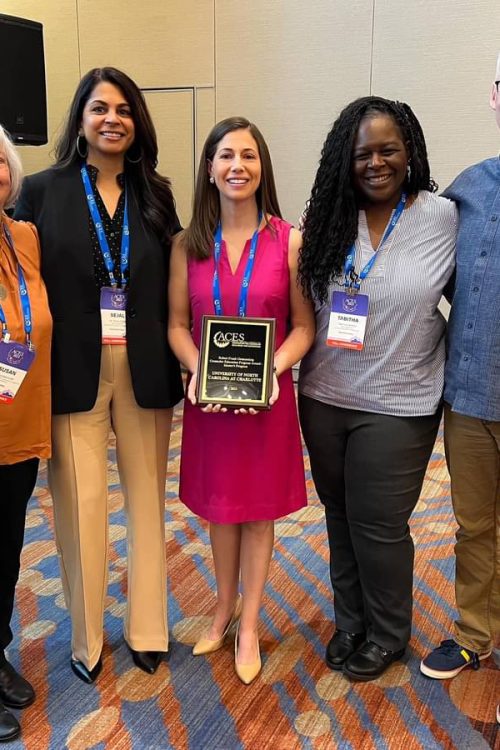
Counseling Program Earns National Honor for Excellence and Innovation

In demand: Preparing counselors for schools and clinical settings

Events

No events found.

Related Programs

Explore Official University Catalog

Check out the official catalog for information on specific degree requirements, course progressions, curriculum and more.