Counseling: Clinical Mental Health Concentration, M.A.

Loading…

Program Overview

UNC Charlotte’s Master of Arts in Clinical Mental Health Counseling prepares students to excel as mental health counselors in a variety of clinical settings, from educational, corporate, and healthcare institutions to local nonprofits, community agencies, and private practice.

Our program will provide students with the face-to-face interaction and hands-on learning opportunities necessary to hone their counseling skills, while engaging with expert faculty who are dedicated to their success, and can be completed in as little as two years. As a graduate of UNC Charlotte’s counseling program, students can confidently and competently begin making a positive impact as a clinical mental health counselor.

Program Contact

Tabitha Haynes

Program Director

thayne16@charlotte.edu

M.A. in Clinical Mental Health at a Glance

Students in the Clinical Mental Health concentration gain extensive real-world experience through an intensive 150-hour practicum and two 300-hour internships over the course of their final three semesters. Students will have both UNC Charlotte and on-site supervision as they complete their hours, to help hone the skills they have learned in the classroom and apply that knowledge in practice while maintaining self-care and peer-to-peer support. At the completion of their training, candidates will be eligible to obtain credentialing as a National Certified Counselor (NCC) and apply for clinical licensure as an LCMHC-A in North Carolina.

Delivery
On-Campus
credit hours
60 Credit Hours
admits
Summer (can begin classes in summer or fall)
application deadlines
October 15 (for following summer/fall)

Program Details

Why UNC Charlotte?
  • Our program is accredited by the Councils for Accreditation of Counseling and Related Educational Professions (CACREP), which ensures the quality of our curriculum, the experience of our instructors, and the academic and experiential rigor of our program in preparing our students for their future professions.
  • Students can tailor their degree program to align with their interests by incorporating elective courses in areas such as: grief and loss counseling, crisis counseling, counseling and spirituality, counseling adolescents, play therapy, and many others. Students can even elect to perform an independent research study for course credit, under the guidance of a faculty member, in any relevant topic for which courses are not available. Students can also earn (if interested) a certificate in disciplines such as Play Therapy or Gerontology while completing their degree.
  • Students will learn from and work alongside our experienced faculty and collaborate on research into growing areas of interest within the clinical mental health field. Many of our professors also work in private practice, thus keeping them engaged with the ever-evolving communities they serve and connecting their students with ample local networking and educational opportunities.
  • Upon completion of their degree, students will be eligible to take the National Counselor Exam (NCE), which certifies you to apply to become a Licensed Clinical Mental Health Counselor Associate (LCMHCA) in the state of North Carolina. Students can also complete post-graduate certifications in areas such as school counseling, play therapy, gerontology, public health, community health, and nonprofit; or pursue field experience in a variety of other capacities.
Admission Requirements
  • Bachelor’s degree from a regionally accredited university
  • Overall GPA of 3.0
  • Transcripts from all universities attended
  • Responses to four short answer questions explaining your interest in UNC Charlotte’s counseling program
    • Responses should fully address all components of the prompt for each question.
  • 3 letters of recommendation from professional references
    • Examples of professional references may include former or current professors, former or current employers, and former or current supervisors of volunteer organizations you participate in.
  • Resume or Curriculum Vitae
  • A completed application and paid application fee
Course Progression

Core Courses

CSLG  6104Counseling Across the Lifespan (FA, SP, SU)
RSCH 6101Educational Research Methods (FA, SP,SU)
RSCH 6109Assessment and Evaluation Methods (FA, SP, SU)
CSLG 6100           Theories of Counseling  (FA,SU)
CSLG 6101           Ethical and Professional Issues in Counseling (FA, SU)
CSLG 6110           Counseling Techniques (FA, SP)
CSLG 6111           Advanced Counseling Techniques (FA, SP, SU)
CSLG 6120           Group Counseling (FA, SP)
CSLG 6145           Multicultural & Social Justice Counseling (FA, SP, SU)
CSLG 6150           Career Development and Counseling (SP, SU)
CSLG 7430           Practicum in Counseling (FA, SP) (150 hours)
CSLG 7435           Internship I (FA, SP, SU) (300 hours)
CSLG 7435           Internship II (FA, SP, SU) (300 hours)

Concentration Courses – plus 4 electives

CSLG 7141            The Professional School Counselor (FA, SU)
CSLG 7646            Advocacy & Leadership in Professional School Counseling (FA, SP)
CSLG 7140            Consultation in School Counseling (SU)
Student Development Opportunities
  • Students can further their personal and professional growth beyond the classroom by getting involved with student organizations, such as the international counseling honor society Chi Sigma Iota and the program chapter Mu Tau Beta, which has won numerous awards and accolades for excellence.
  • Our community outreach, social engagement, and professional development offer abundant opportunities for our students to participate in service learning and career networking both on-campus and in area mental health services.
  • Students are also encouraged to submit proposals to various professional organizations and associations, such as the American Counseling Association (ACA), the North Carolina Counseling Association (NCCA), and the Licensed Professional Counseling Association of North Carolina (LPCANC). These proposals often result in presentations at annual regional and national conferences which provides both professional exposure, public presentation practice, and networking opportunities for the students who attend.
Tuition and Funding

Current tuition rates are available through Niner Central. There are several sources of funding available to assist in paying for a graduate program at UNC Charlotte, including graduate assistantships, loans, scholarships, and grants.

  • Graduate assistantships are paid, part-time employment positions on campus that may include funding for tuition, health insurance, and/or a living stipend. The Department of Counseling does not guarantee or assign Master’s Counseling students to graduate assistantships, however students are encouraged to research assistantship opportunities available on campus through Hire-a-Niner.

Use our Cost Calculator to get a clear picture of the estimated costs for UNC Charlotte’s graduate programs. Share your information to receive tips, updates, and resources on making your graduate education more affordable.

Wondering if you are considered in-state or out-of-state for tuition? Learn more about residency requirements.

Don’t Miss Our Once-a-Year Application Window — Apply by October 15

Applications are only accepted once per year for the Counseling M.A. program. If you’re ready to build a career supporting others, be sure to submit yours by October 15.

Hear From Our Students and Alumni

Their experiences say it best. Discover how the M.A. in Counseling program has shaped their careers, perspectives and purpose.
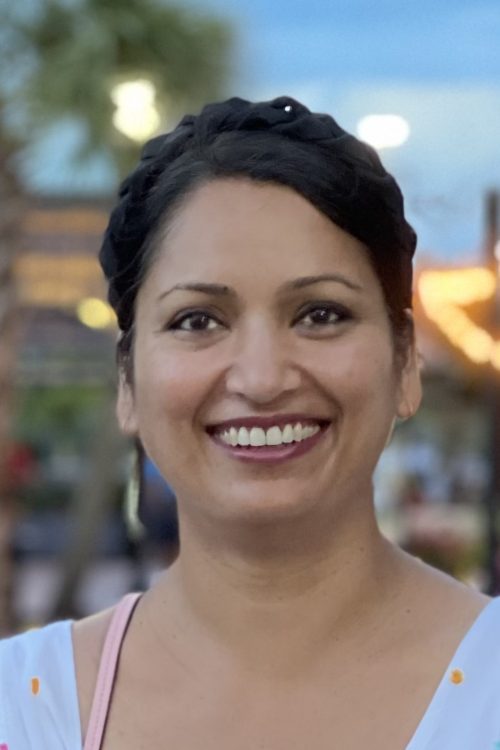
Rajni Gupta – M.A. Counseling ’26 – Substitute Teacher, Charlotte-Mecklenburg Schools

“The program’s flexibility and support give me space to grow into the counselor I hope to be—while honoring who I am and all I carry.”

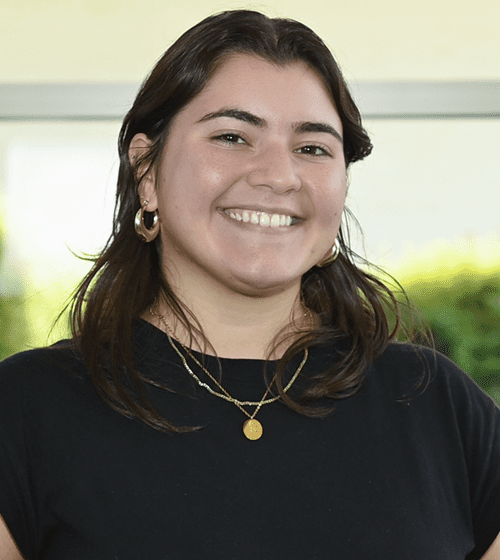
Patricia Archilla Fraticelli – M.A. Counseling ’25 – Graduate Assistant, UNC Charlotte Graduate School

“I wanted a program where I could show up fully—and train to serve the communities that shaped me. Charlotte offered both.”

Cat Rutstein – M.A. in Counseling '25 – Student Assistant, UNC Charlotte

“Hearing Dr. Merlin-Knoblich describe the faculty connections, the overall program and the student support network completely solidified my decision to enroll.”

Three Choices for Your Primary Focus

All students in the Counseling M.A. program select one primary concentration. Each track blends theory with practical experience and prepares you for a focused career in counseling. Whether you’re drawn to school settings, clinical practice, or substance abuse treatment, you’ll gain the skills to make a meaningful impact—and the flexibility to grow with your career.


Clinical Mental Health Counseling
Support people through life’s challenges in settings like community agencies, nonprofits, or private practice. This concentration prepares you for roles including licensed clinical counselor, therapist, or consultant.
School Counseling
Help students thrive—academically, socially, and emotionally. This concentration prepares you for roles such as licensed school counselor, advocate, or student support specialist across a range of educational settings.
Addiction Counseling
Prepare for roles like substance abuse counselor, case manager, intervention specialist, or prevention educator, helping people overcome substance use and behavioral addictions in individual and group settings.

Customize Your Path With a Secondary Concentration

Looking to specialize even further? While not required, secondary concentrations give you the opportunity to deepen your expertise in a focused area of counseling. These optional tracks can help you tailor your education to match your passions—and set you apart in your career.


Play Therapy
Develop the skills to support children through evidence-based, developmentally appropriate techniques. This concentration prepares you for roles such as child therapist, school-based counselor, or pediatric mental health specialist.
Gerontology
Understand the mental health needs of aging adults and the systems that support them. This concentration prepares you for roles in geriatric counseling, care management, or advocacy in hospitals, long-term care, hospice, and private practice.

CACREP Accredited and Career-Ready

Our Counseling M.A. program is accredited by the Council for Accreditation of Counseling and Related Educational Programs (CACREP)—a mark of quality and credibility in counselor education. This accreditation ensures you’ll graduate from a program that meets nationally recognized standards and prepares you to become a skilled, ethical, and culturally responsive professional.

Learn From Leaders in the Field

Our award-winning faculty bring deep experience, active research, and a passion for teaching into every classroom. More than educators, they’re mentors—committed to helping you grow, succeed, and make a lasting impact through your work in counseling.
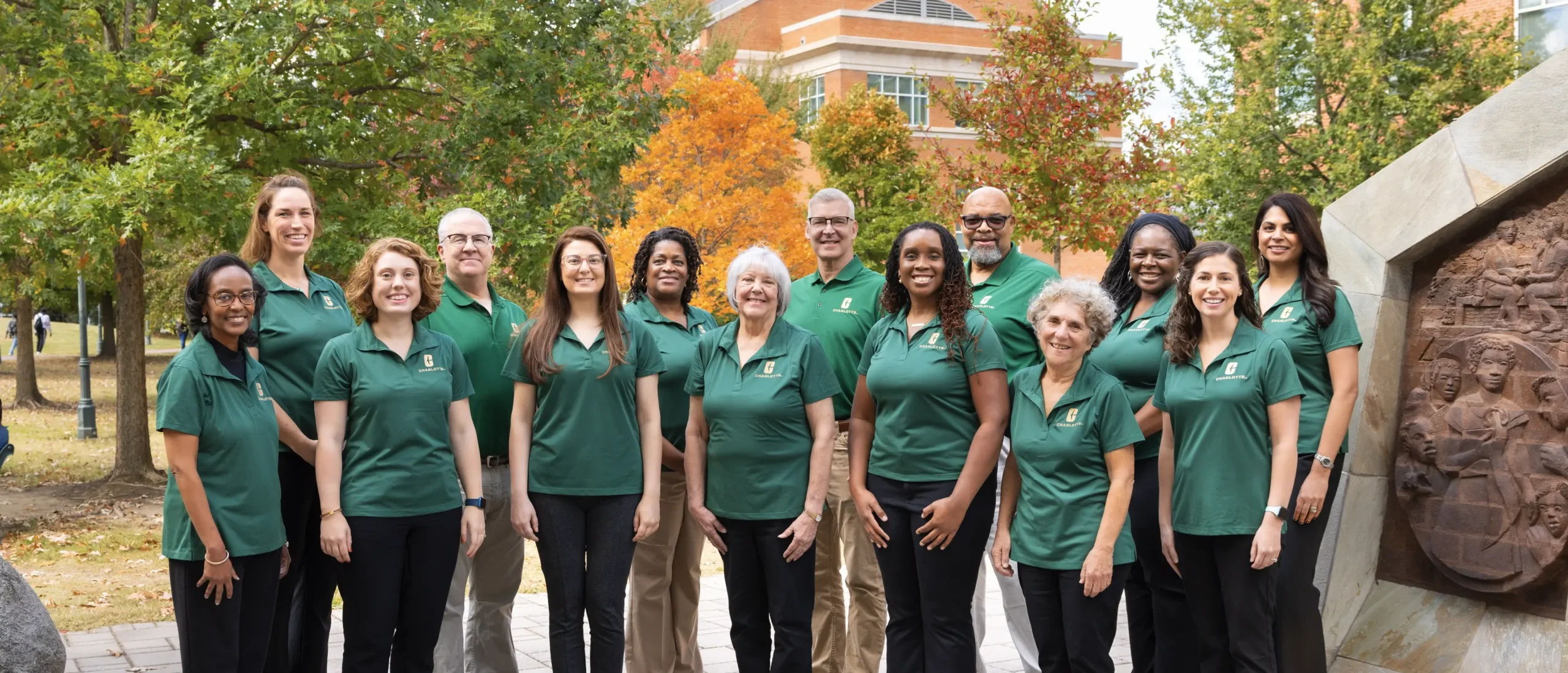
Group picture of people in green shirts outside

What's New in Counseling

Explore recent stories, achievements and news from across the program—on campus, in the community and beyond.

Six New Faculty Join Cato College

Counseling Professor Dania Fakhro Brings Personal Experience to Refugee Mental Health

In demand: Preparing counselors for schools and clinical settings

Events

No events found.

Related Programs

Explore Official University Catalog

Check out the official catalog for information on specific degree requirements, course progressions, curriculum and more.